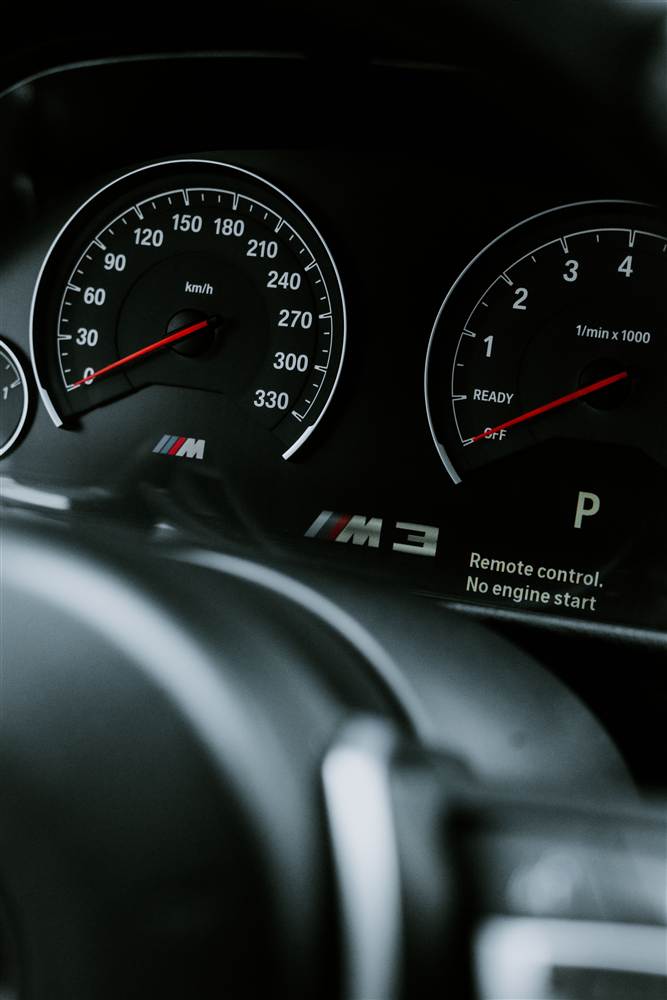
Gearbox remapping (also called TCU mapping) adjusts the Transmission Control Unit — the computer that decides when and how firmly gears change. It pairs especially well with a Stage 1 engine remap.
Why map the gearbox after an ECU remap?
Factory gearbox software is matched to stock torque. Once the engine makes more power, shift points, clutch pressures (on DSG/DCT) and torque limits can feel soft, delayed or protective. A TCU map realigns the gearbox with the new engine output.
Common gearbox types we discuss
- DSG / DCT — dual-clutch gearboxes popular on VW, Audi, BMW and others
- Torque-converter automatics — smoother multi-speed autos
- Automated manuals — older single-clutch automated systems
What a gearbox map can improve
- Faster, cleaner upshifts and downshifts
- Better launch and kickdown response
- Raised internal torque limits to match the ECU map
- Smoother everyday drivability when calibrated properly
Does every remapped car need a TCU map?
Manual gearboxes don’t have a TCU map in the same way. Many automatics and DSGs benefit if you notice sluggish shifts after Stage 1. We’ll advise based on your vehicle. Read more about performance after a remap or request a quote.