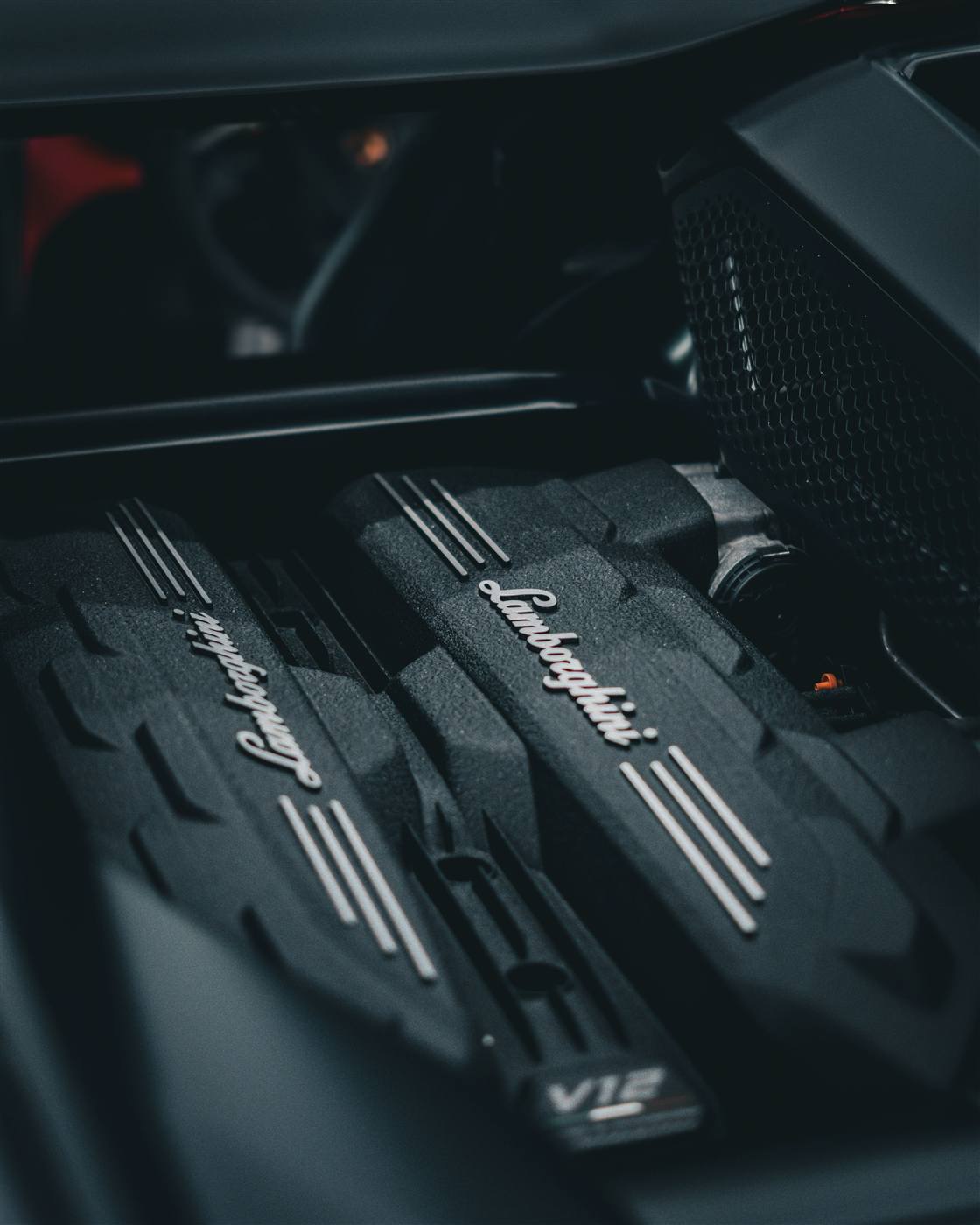
In bench mode, we don’t rely on the car’s diagnostic socket alone. The engine control unit (or sometimes the TCU) is carefully removed, powered and linked with dedicated bench cables so we can read and write the calibration file reliably.
Why bench mode exists
Manufacturers add security and anti-tamper measures over time. Many ECUs still tune fine over OBD; others need a direct connection. Bench work gives a stable power supply, correct pinouts and protocols that OBD can’t always provide.
What happens on a bench remap
- ECU location is confirmed and the unit is removed safely
- Correct bench cable / adapter is fitted for that ECU family
- Full original file is read and stored as a backup
- Modified map is written, verified, then the ECU is refitted
Bench vs boot
Bench often uses the ECU’s connector for a supported protocol. Boot mode goes deeper — sometimes opening the case or using boot pins — when even bench protocols aren’t enough. We’ll only use what’s required for your hardware.
Time and practicality
Bench takes longer than a pure OBD job because of removal and refit. For many Greater Manchester appointments we can still work mobile; some ECUs are easier handled with a short workshop step. We’ll say which applies when you book a quote.