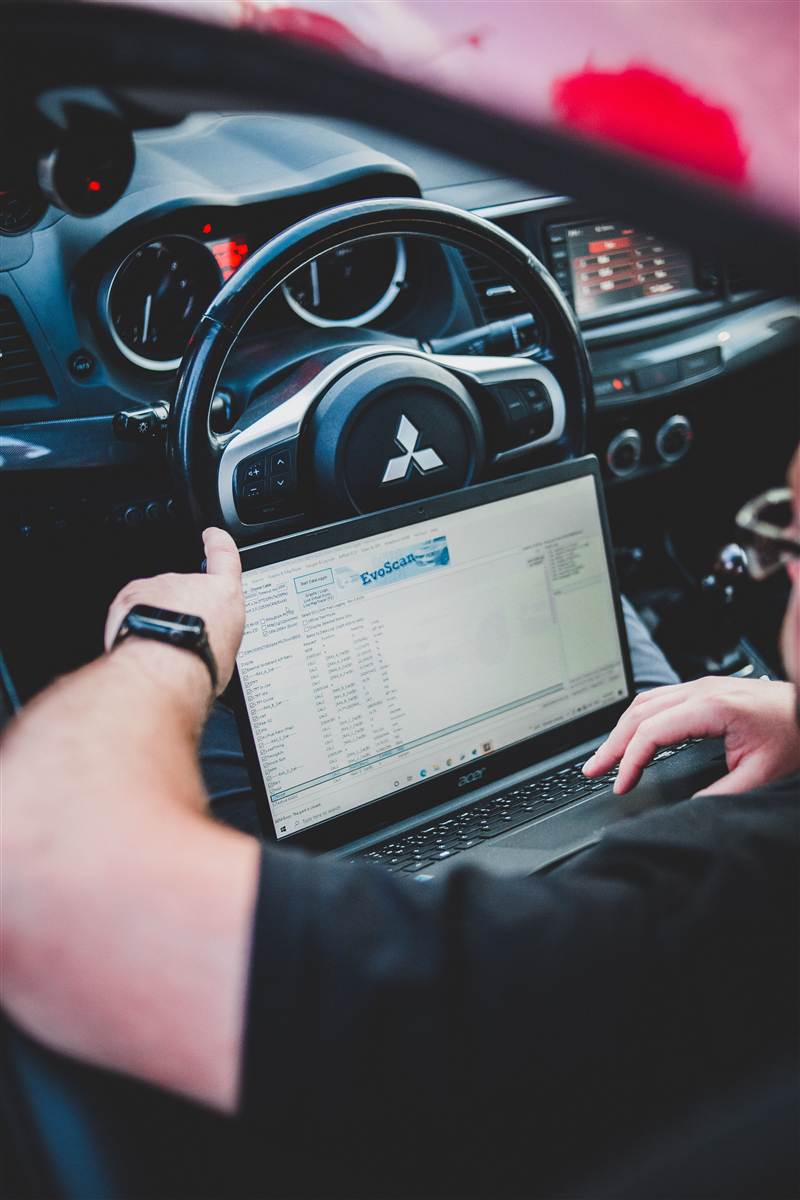
Boot mode puts the ECU into a special start-up state (bootloader) so the tuner can communicate with the processor more directly. It’s part of professional remapping — not a DIY shortcut — and needs the right hardware, pinouts and procedures for each ECU family.
When boot mode is needed
- OBD write is blocked or unreliable
- Standard bench protocols aren’t supported
- Unlock / recovery work after a failed flash (rare, handled carefully)
- Certain newer or heavily secured ECUs
What “boot” involves
Depending on the unit, boot access may use specific pins on the connector or, on some designs, opening the ECU case. That’s why clone cables and guesswork are risky. We use known-good tools and always keep an original backup where the read succeeds.
Boot vs OBD vs bench
OBD is least invasive. Bench is next when the ECU must come out. Boot is the deepest option when the chip won’t talk any other way. See the full comparison: OBD, bench and boot remapping.
Safety and expectations
Boot jobs take more care and time. Voltage, grounding and correct identification matter. If your Greater Manchester vehicle needs boot mode, we’ll explain that before work starts — no surprises on the day.